OffKey
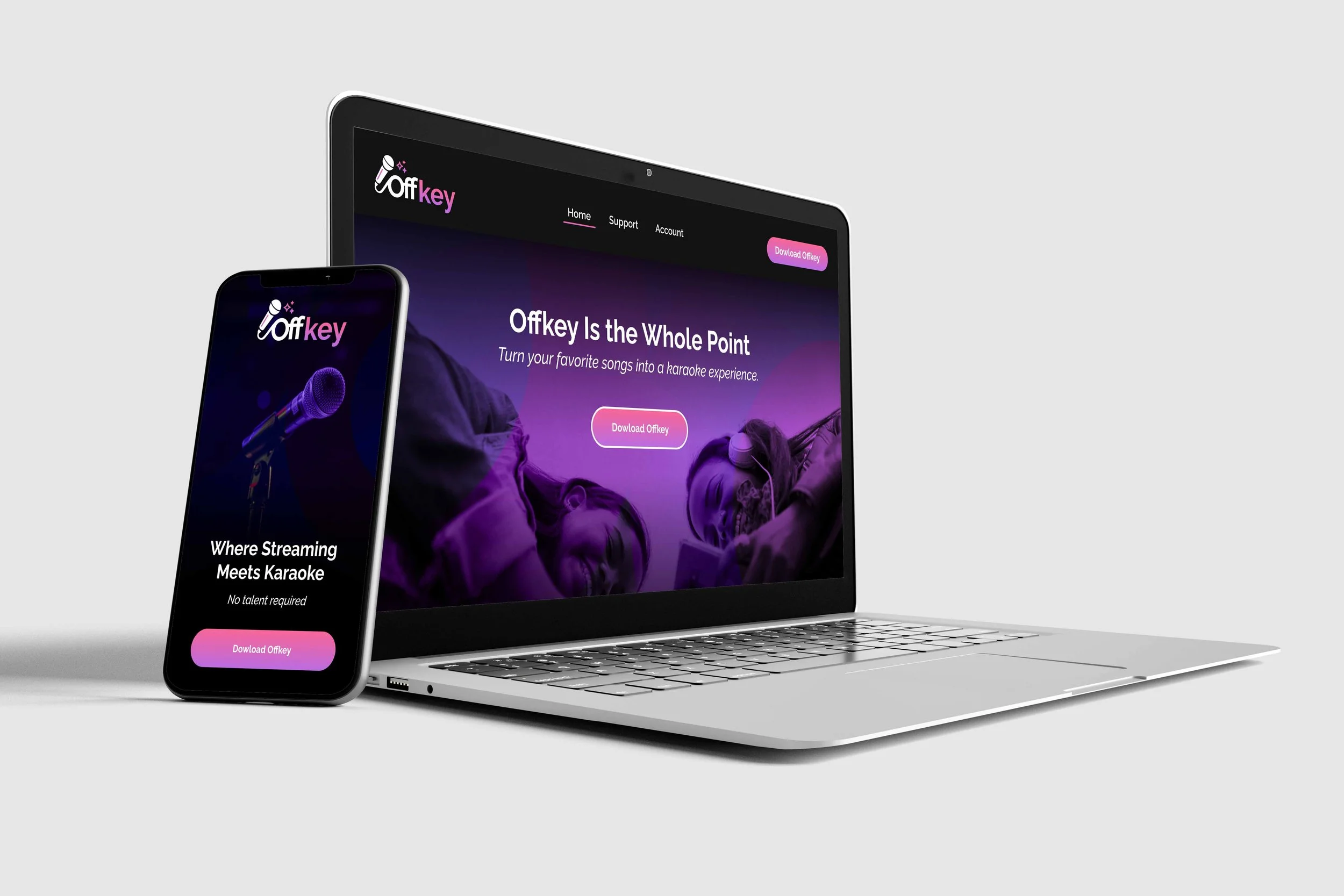
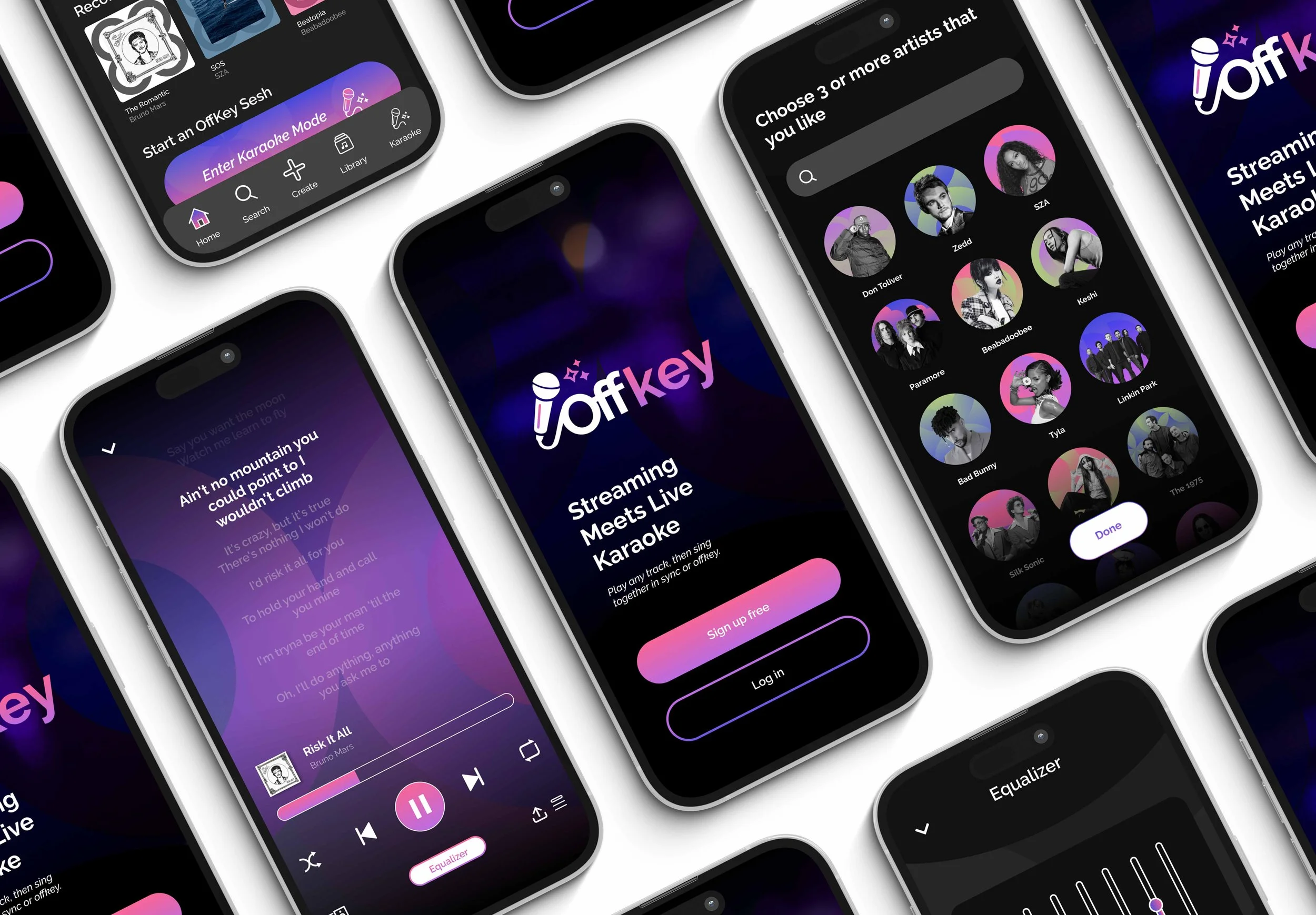
Offkey is a karaoke-focused music app that embraces imperfection and encourages users to express themselves freely through music. Designed for a generation that values authenticity over perfection, it creates a playful, low-pressure space to sing, discover artists, and connect through shared musical experiences.
This project was a team effort between my partner Jordan and me, and it involved several phases, including user research, creating user personas, designing user flows, and making both low- and high-fidelity wireframes. We went through a lot of design tweaks and usability tests to create a final product that's user-friendly and focused on fun, accessibility, and social interaction. Offkey takes a fresh approach to music platforms, making it all about enjoying the experience, even when you’re a bit off-key!
Project Type
UI/UX Design
Tools Used
Figma
Collaboration
Market Research and Persona Building
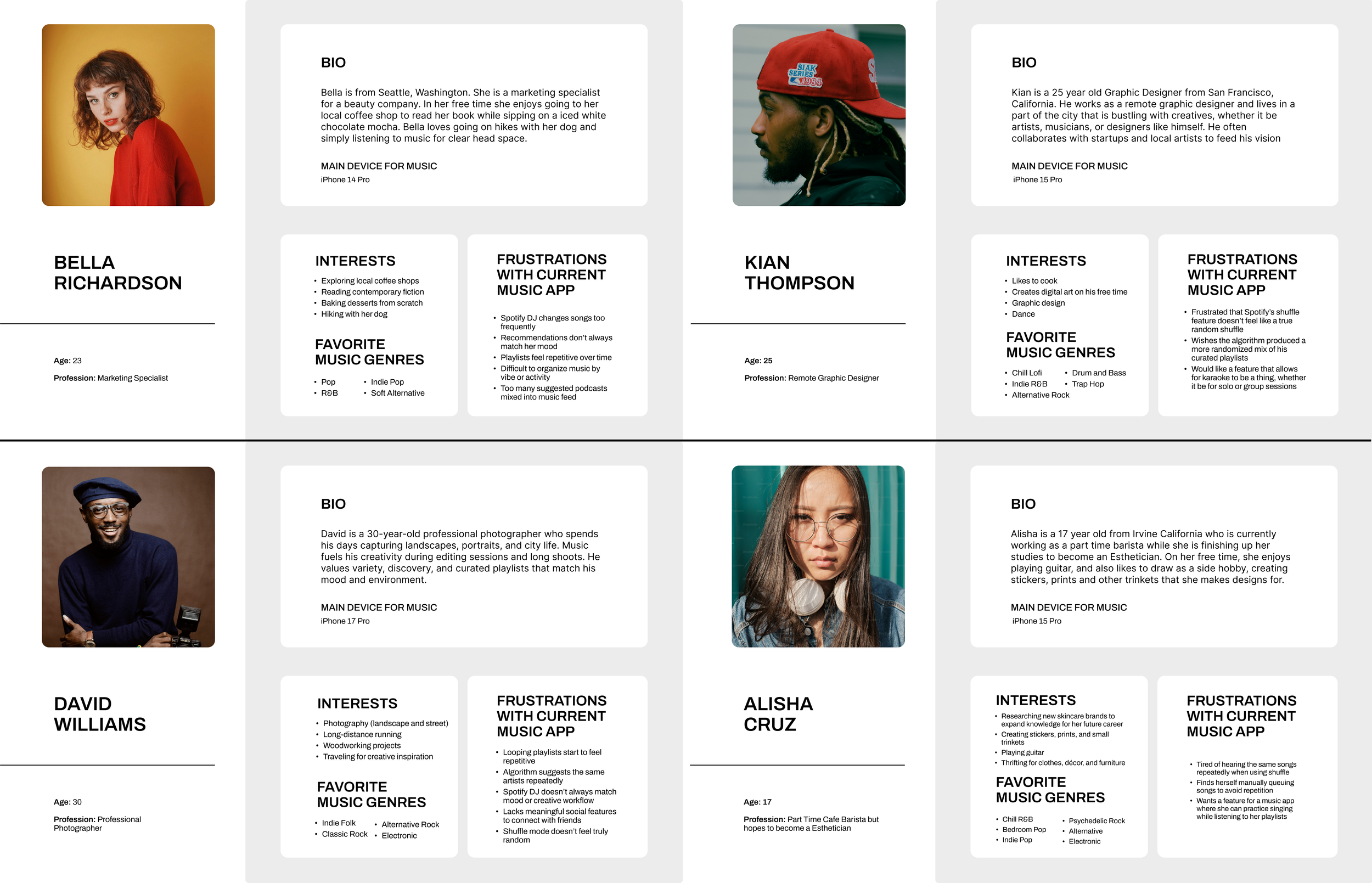
Before developing user flows or wireframes, we conducted four interviews with individuals within our target audience. These conversations helped us better understand user behaviors, motivations, and what people look for in a social music and karaoke experience.
Using these insights, we identified key patterns and priorities that informed the direction of the app. We then created four user personas representing our core audience segments, which guided our design decisions throughout the project.
Interview Questions
Low to High
Fidelity Wireframes
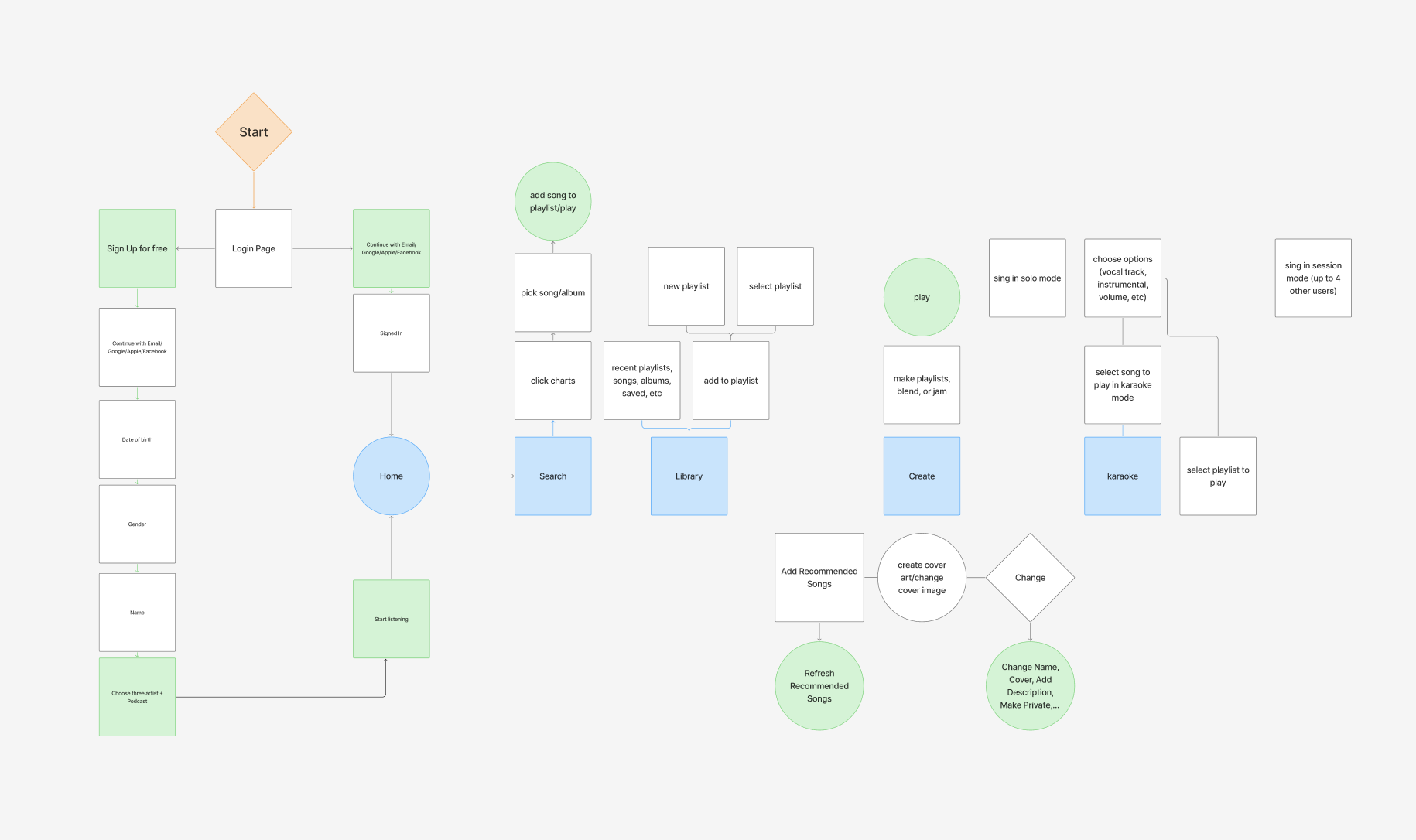
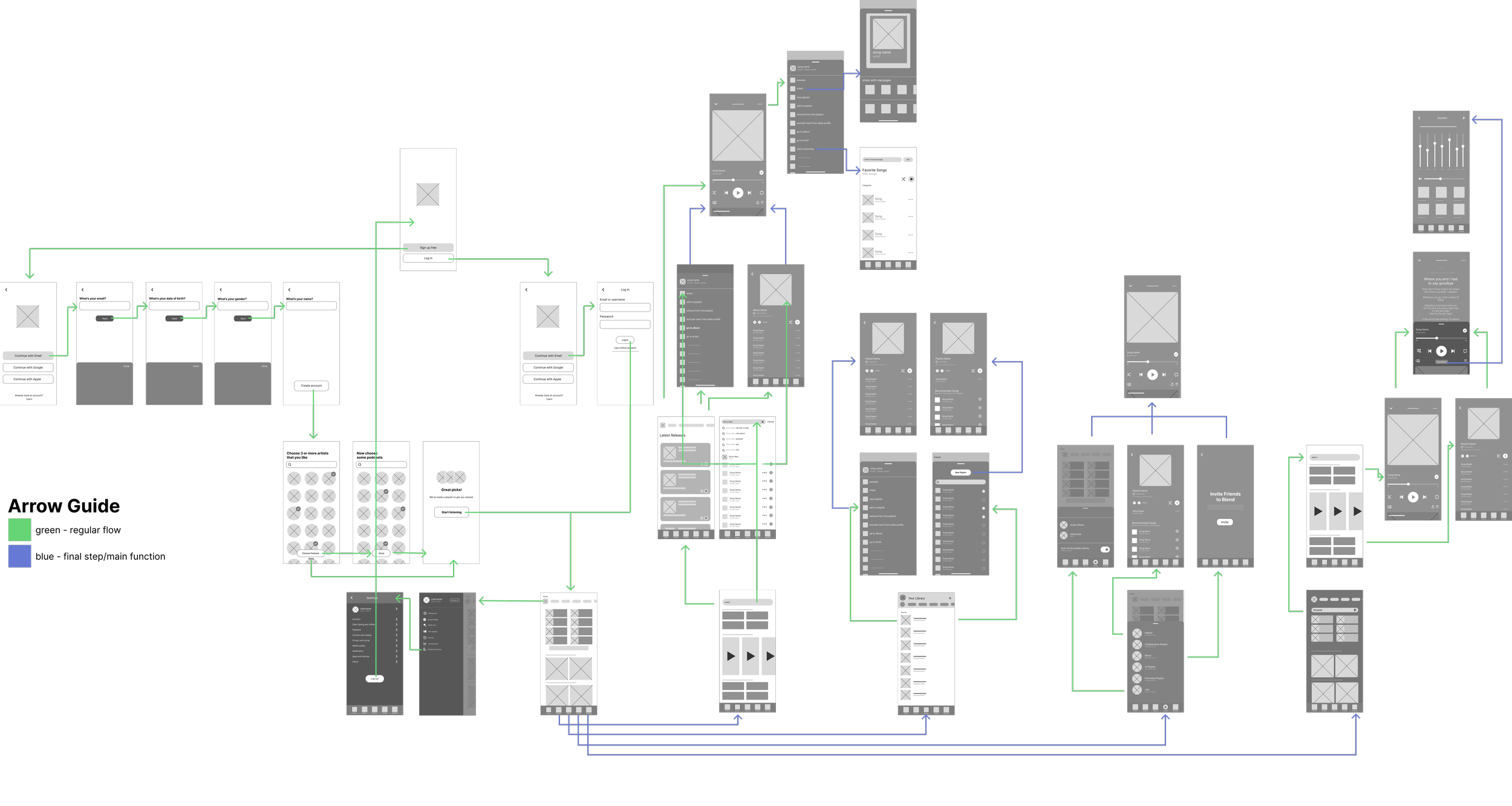
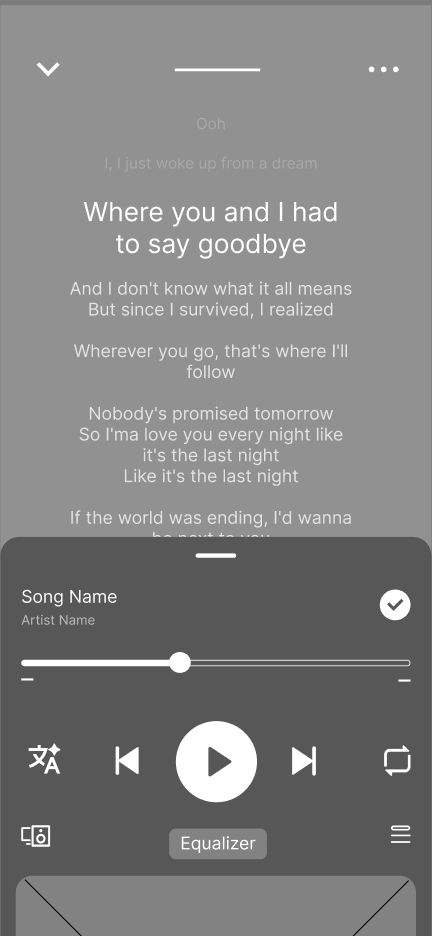
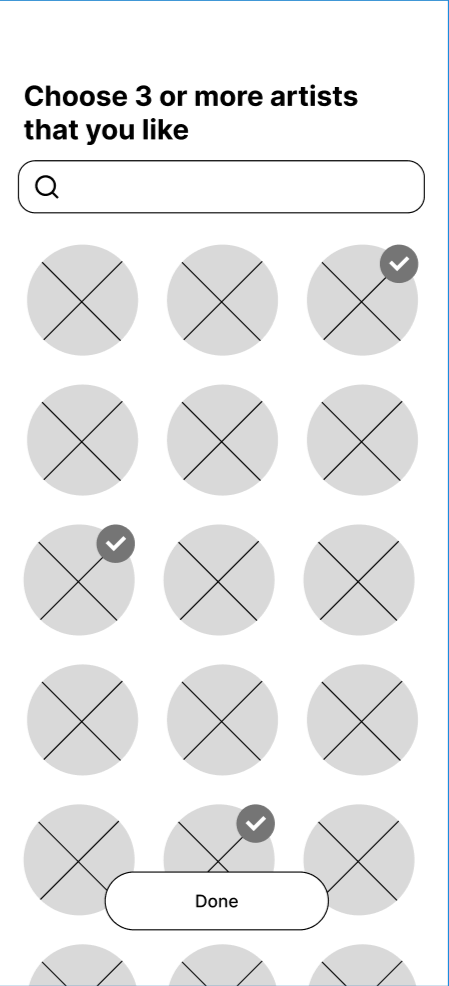
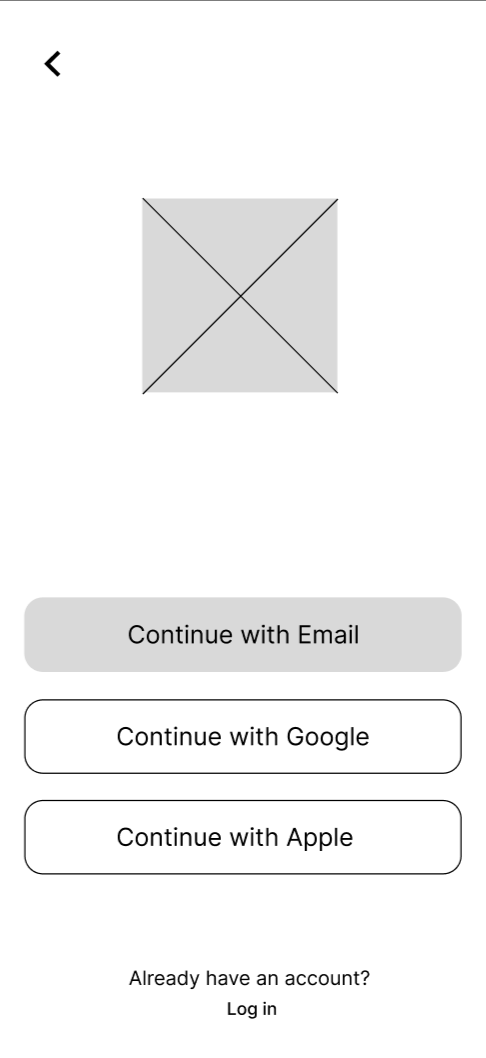
After mapping out user flows, we designed low-fidelity wireframes for all key screens to establish a clear and intuitive user experience. These early designs allowed us to focus on structure, navigation, and overall usability.
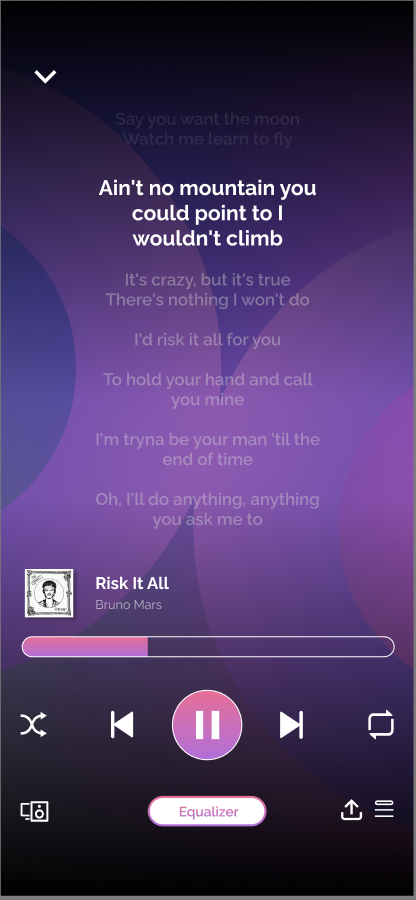
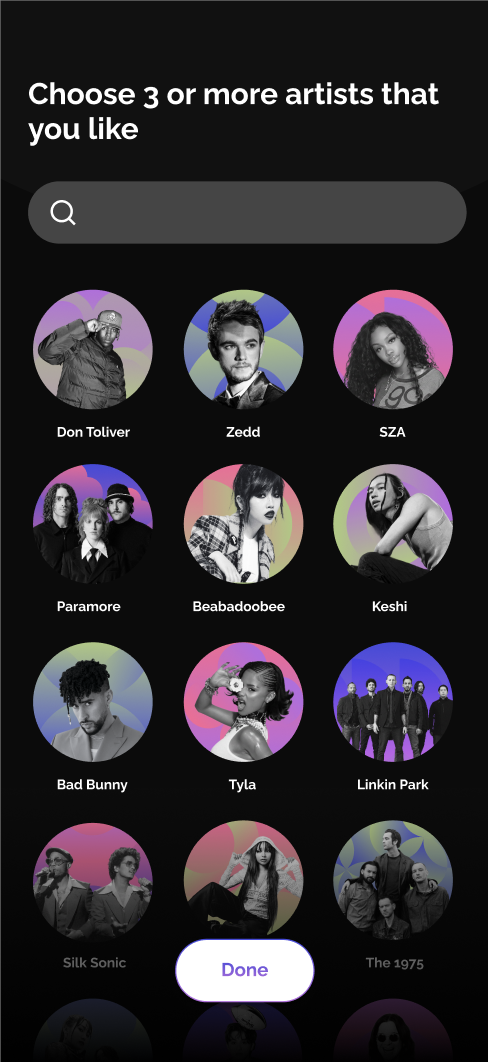
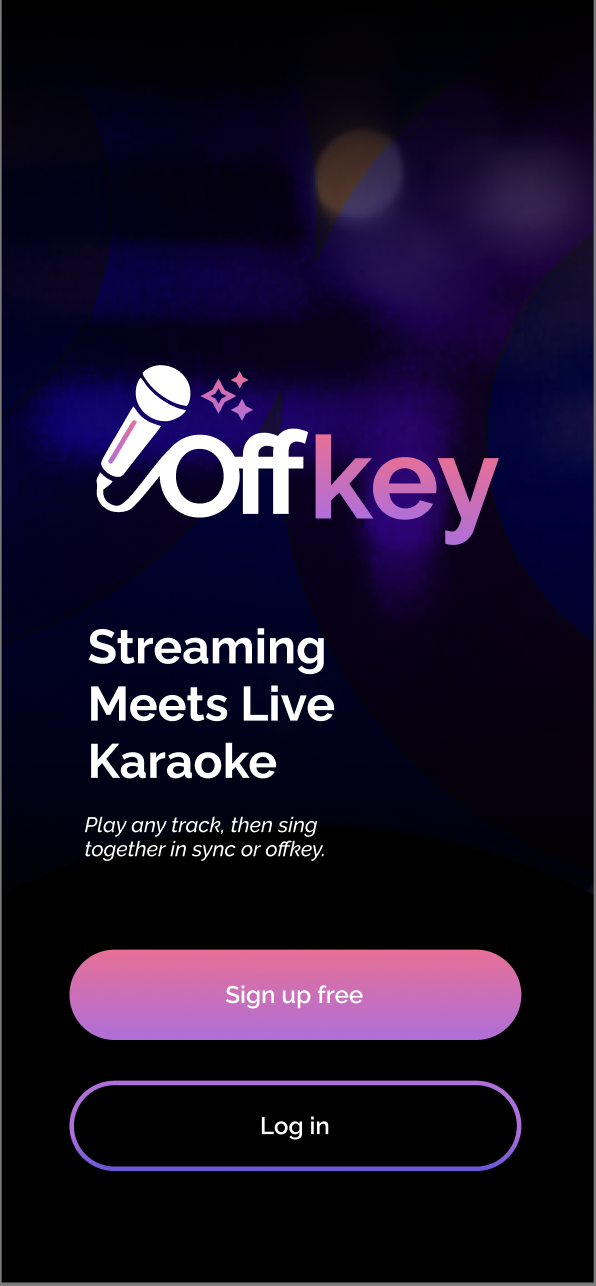
We then tested the wireframes with our initial interview group to validate the app’s flow and ease of use. Based on this feedback, we refined the experience before moving into high-fidelity designs, ensuring a more polished and user-centered final product.
Final Prototype
Using Figma’s prototyping tools, we created an interactive and realistic karaoke experience that simulates core features such as song selection, singing flows, and user interactions. We incorporated variables and conditionals to mimic dynamic behaviors within the app.
Components were used to maintain consistency across the design system, including buttons and interactive states throughout the experience. This approach allowed us to test functionality, refine interactions, and deliver a cohesive and engaging user experience centered around music and self-expression.